

Building electricity with PowerTower –less administrative effort in multi-family buildings
Tenant electricity is the well-known term. WEESS recommends building electricity with PowerTower in multi-family buildings because distribution and physical metering within the building are clearly organized. This makes implementation more comprehensible for property owners, simpler for installers, and avoids ongoing software and licensing fees.
Less administrative effort•No ongoing software and license fees•Easier implementation for installers
Tenant electricity, GGV, and building electricity properly classified
Tenant electricity is the well-known term for electricity models in multi-family buildings. In practice, there is the classic tenant electricity model and GGV. WEESS recommends building electricity with PowerTower because the operational logic within the building is structured more clearly and many additional expenses of classic models are eliminated.
Classic model
High administrative burden
In the classic tenant electricity model, the operator effectively acts as a power supplier and must organize residual electricity, contracts, billing, and ongoing processes in a legally secure manner.
Often economically unattractive
Ongoing software, service, and licensing fees make many operating projects unnecessarily expensive and reduce economic viability.
Additional legal complexity
Free supplier choice, energy management obligations, and legally compliant billing processes make traditional tenant electricity models difficult to scale in practice.
Why projects become unnecessarily complex
Building electricity rarely fails in practice due to the PV system. It fails where distribution, metering, billing, and ongoing processes become unnecessarily complicated.
WEESS reverses the logic: building electricity is planned as infrastructure within the building.
The WEESS solution: building electricity with clear role allocation
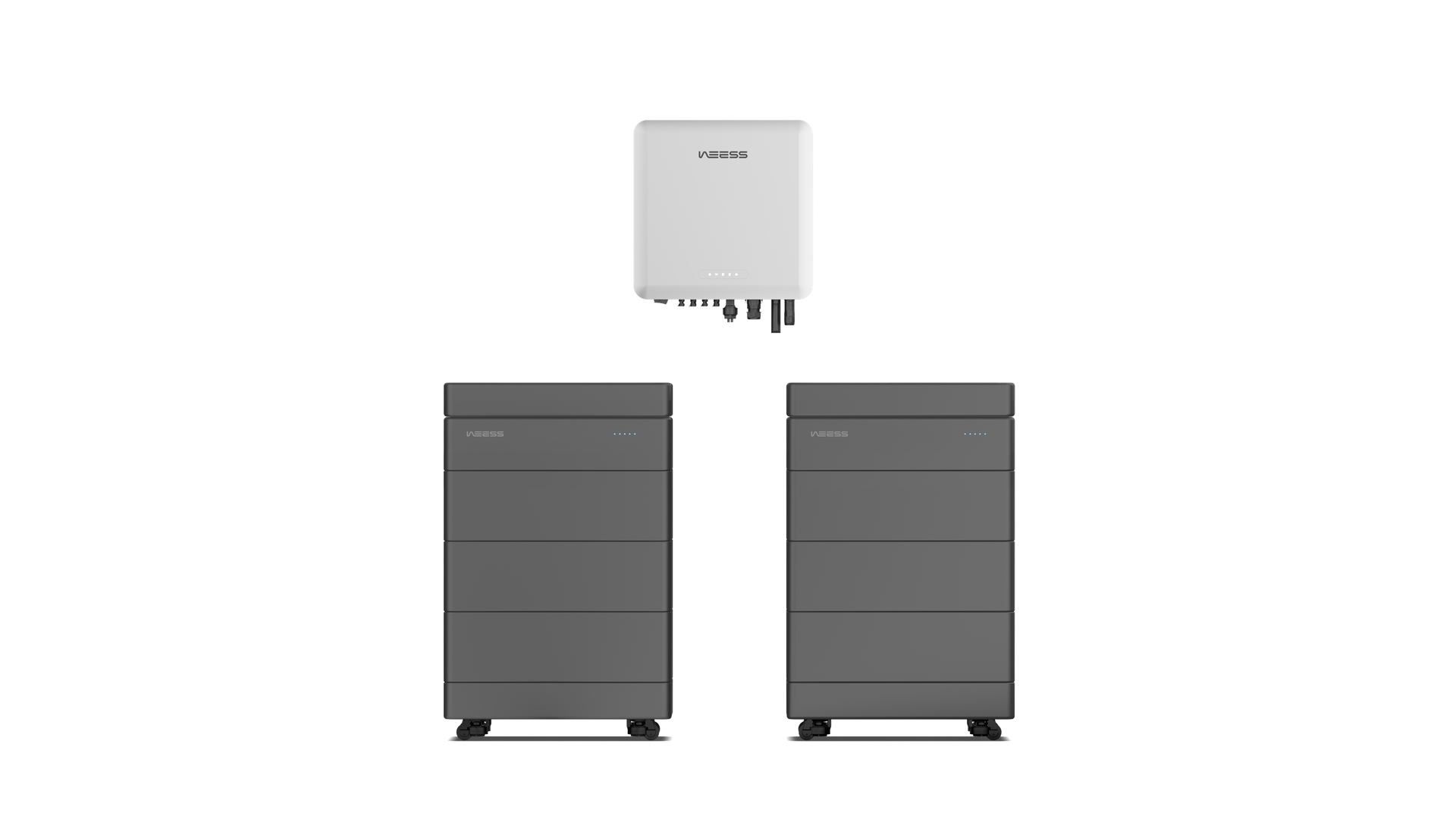
WEESS does not build building electricity around abstract process logic, but around clear product roles. Zugspitze and Zugspitze Pro take on storage and inverter functions. PowerTower handles distribution and physical metering within the building. This creates a solution that is repeatable across properties, clearer for building owners, and simpler for installers to implement.
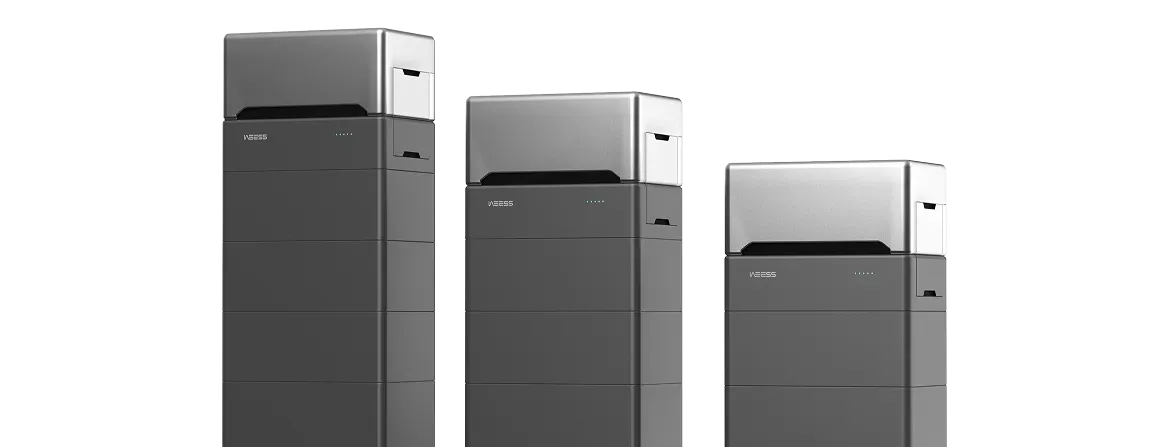
Zugspitze
The WEESS Zugspitze is the all-in-one energy storage system in the building electricity setup. It combines storage, inverter, and energy management in one system and creates the foundation for greater locally usable PV electricity in the building.
-1920x1394.png?2026-03-18T12%3A52%3A40.199Z)
Metering concept & operating logic
Building power only functions when generation, metering, distribution, and residual power work together logically. PowerTower creates the clean infrastructure in the building precisely where this is needed.
PV system
PV power is generated directly in the building.
Measurement
Electrical flows per residential unit are physically recorded and form the basis for clear assignment within the building.
Overview
Generation, storage, and consumption remain transparent and traceable in the property.
Allocation
PV shares are clearly assigned within the building according to the project model.
Residual Power & Billing
Residual power and billing logic are organized according to the selected model without the property becoming a special structure.
PV system
PV power is generated directly in the building.
Measurement
Electrical flows per residential unit are physically recorded and form the basis for clear assignment within the building.
Overview
Generation, storage, and consumption remain transparent and traceable in the property.
Allocation
PV shares are clearly assigned within the building according to the project model.
Residual Power & Billing
Residual power and billing logic are organized according to the selected model without the property becoming a special structure.
Result
This creates a building electricity setup that is not only technically sound but also reduces administrative effort in daily operations and can be implemented more clearly.
Less administrative effort starts with the hardware
With the PowerTower, tenant electricity in multi-unit buildings is not set up as an additional process structure, but as clearly organized building electricity logic in the property.
-1-1400x1017.png?2026-03-18T14%3A10%3A55.524Z)
PowerTower
Hardware-based distribution
For installers
For operators
Do you want to implement tenant electricity in multi-family buildings more operationally efficiently?
Talk to WEESS about a building power setup with PowerTower – for less administrative effort, clearer implementation, and clean system logic on-site.
Frequently asked questions
The most important questions about tenant electricity, building power, GGV, and implementation with PowerTower in multi-family buildings.
Tenant electricity is the established term for electricity models in multi-family buildings. GGV is a legally regulated model of shared building supply. WEESS uses building power as the recommended implementation logic because distribution, metering, and operation in the building are structured clearly.
PowerTower handles distribution and physical metering in the building. This creates the foundation for a building power solution that is structured more operationally clearly.
WEESS combines hardware, metering, and system logic in a way that does not burden projects with unnecessary administrative and process overhead. This keeps planning, implementation, and operation more clearly structured.
The solution is particularly relevant for property owners, residential property management companies, and installers who want to implement tenant electricity in multi-family buildings cleanly and transparently.
No. WEESS does not build the building power logic around ongoing platform or license costs, but rather around a clearly structured system in the building.
No. For collective building supply according to § 42b EnWG, no EEG tenant electricity surcharge can be claimed.