

Battery storagefor network operators, local authorities and grid-related infrastructure projects
WEESS develops storage solutions for projects in which grid support, flexibility and storage operations are conceived as an integrated infrastructure. The focus is on applications designed to relieve pressure on existing connection points, better integrate renewable generation and strategically develop larger energy projects.
For grid operators and municipalities•Controllable flexibility in the grid context •Scalable storage logic for larger projects
Grid benefits are not generated solely by installed capacity. What matters is how storage, connection infrastructure, operational strategy and project objectives are integrated within the infrastructure context.
When storage facilities are technically available but the infrastructure planning is too short-sighted
Many storage projects deliver technical performance but fail to deliver a clean infrastructure impact. The problem often lies not with the hardware, but with the fact that grid integration, operational strategy and project objectives are not consistently aligned.
WEESS does not view storage as a standalone component, but rather as grid-supporting infrastructure with a clear operational logic.
How storage becomes a key component of the grid infrastructure
A grid-beneficial effect is achieved when storage, connection infrastructure, operational strategy and project objectives are systematically coordinated.
The storage facility provides the technical basis for shifting energy over time, structuring load profiles and specifically meeting grid-related requirements.
It is not just capacity that matters, but also when charging, discharging or power is made available. Only then does a usable system emerge in day-to-day project operations.
Grid-beneficial effects arise where storage operations, grid consumption, generation and load do not work against one another, but are systematically coordinated.
Where technically feasible, flexible storage capacity can also be structured for trading, arbitrage, applications relating to balancing energy, or other revenue models.
Which WEESS products support this solution
Grid-related projects do not require a haphazard selection of products, but rather clearly defined roles within the system.

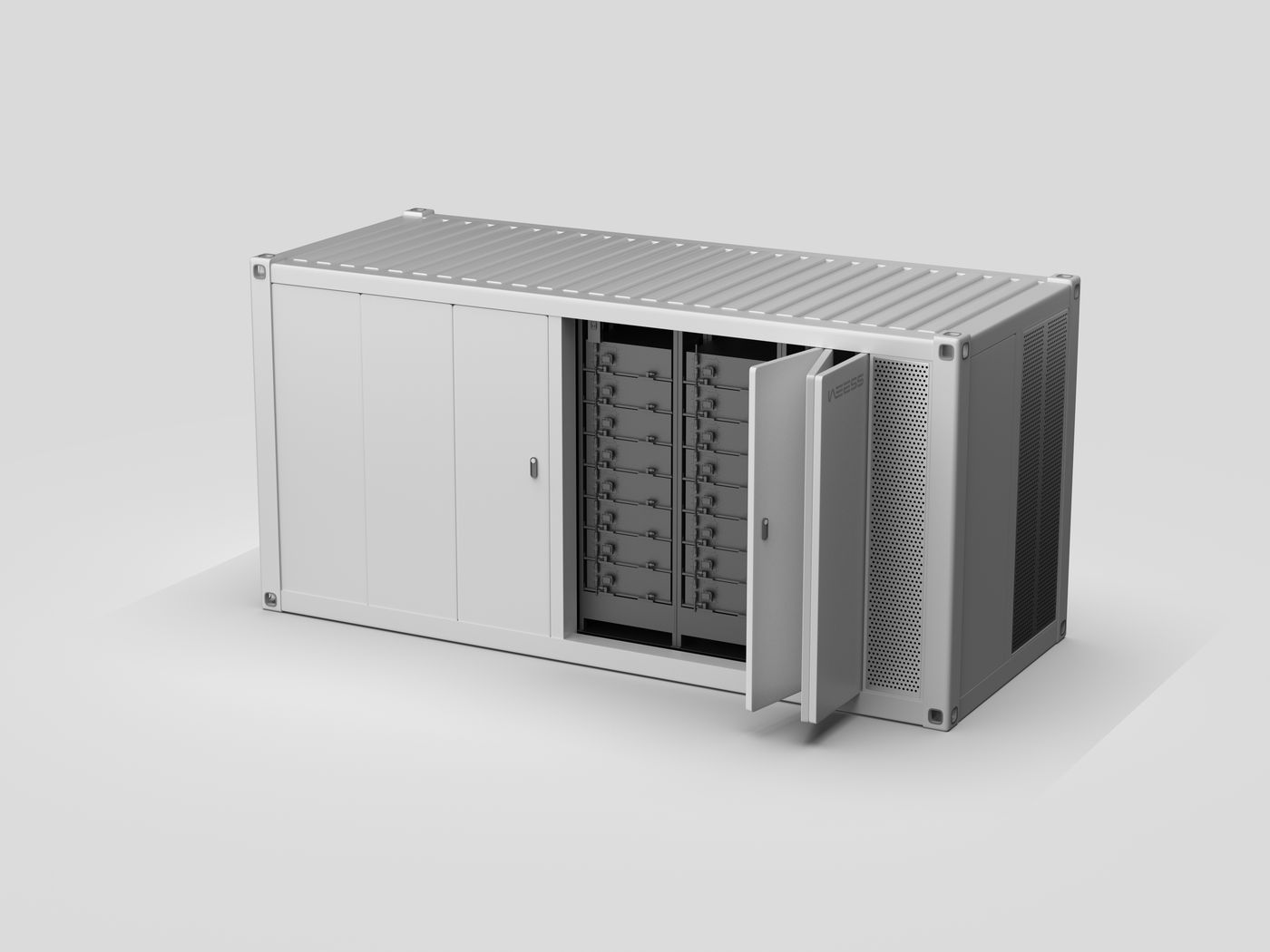
WEESS North Sea
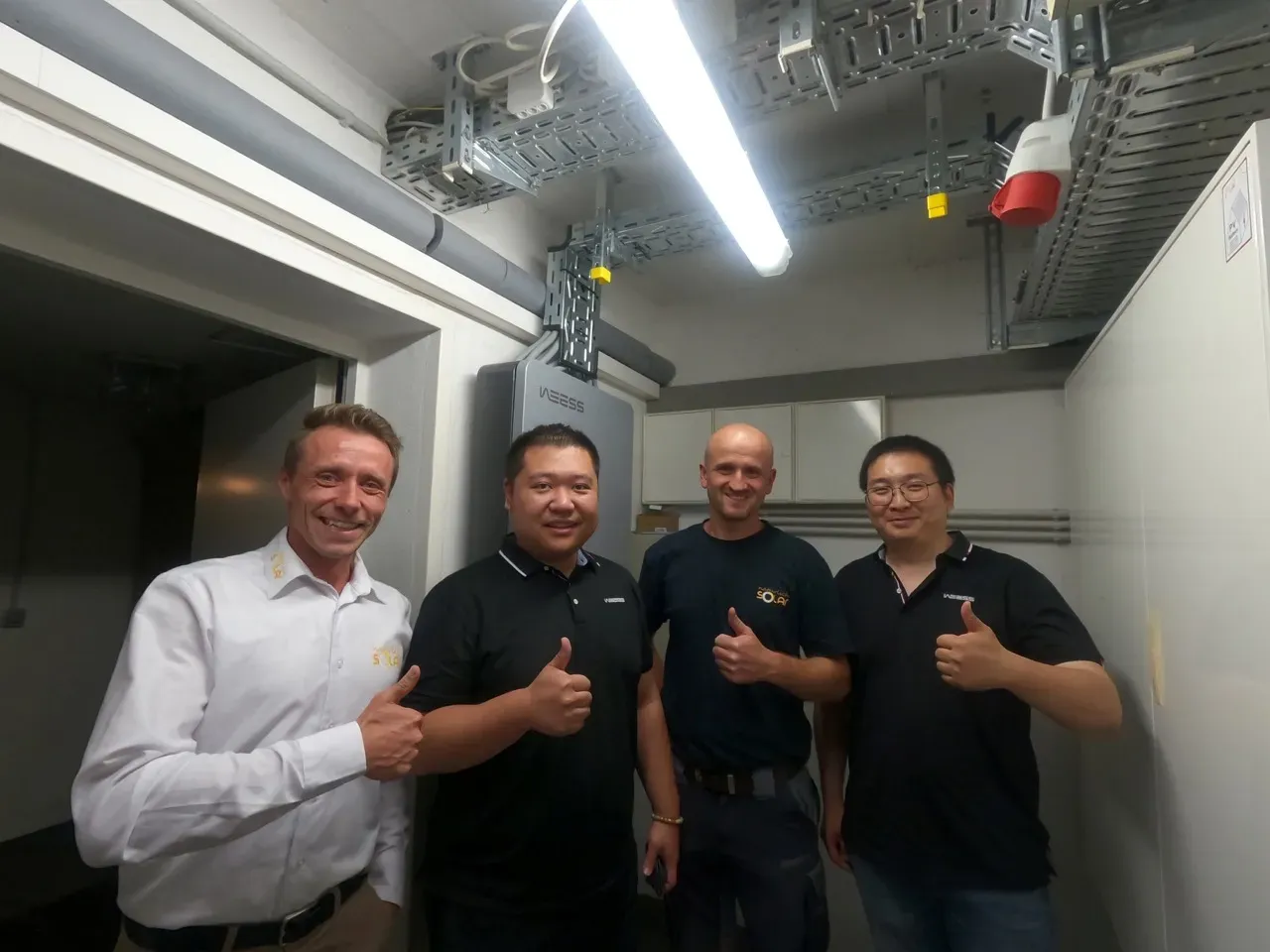
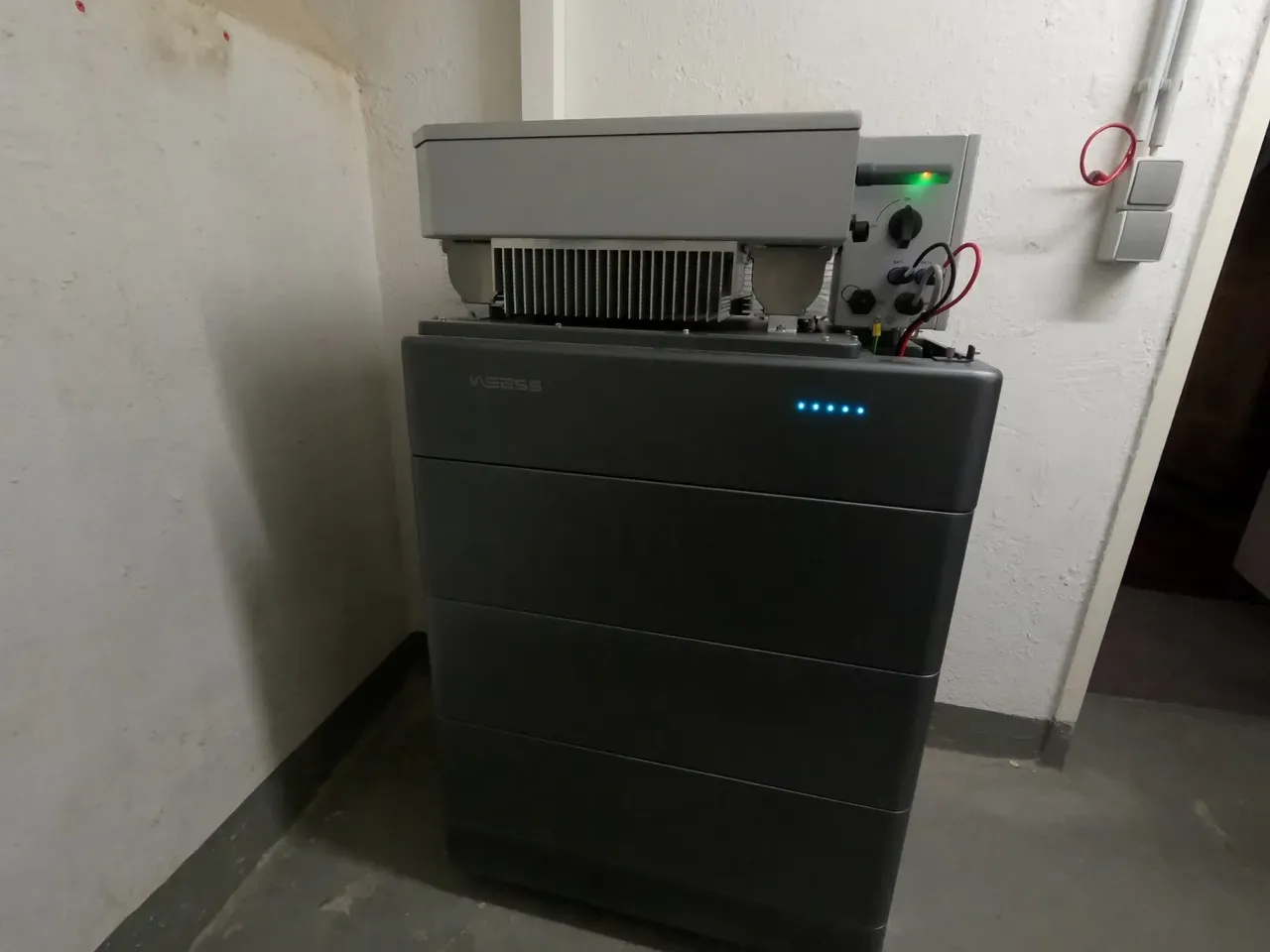
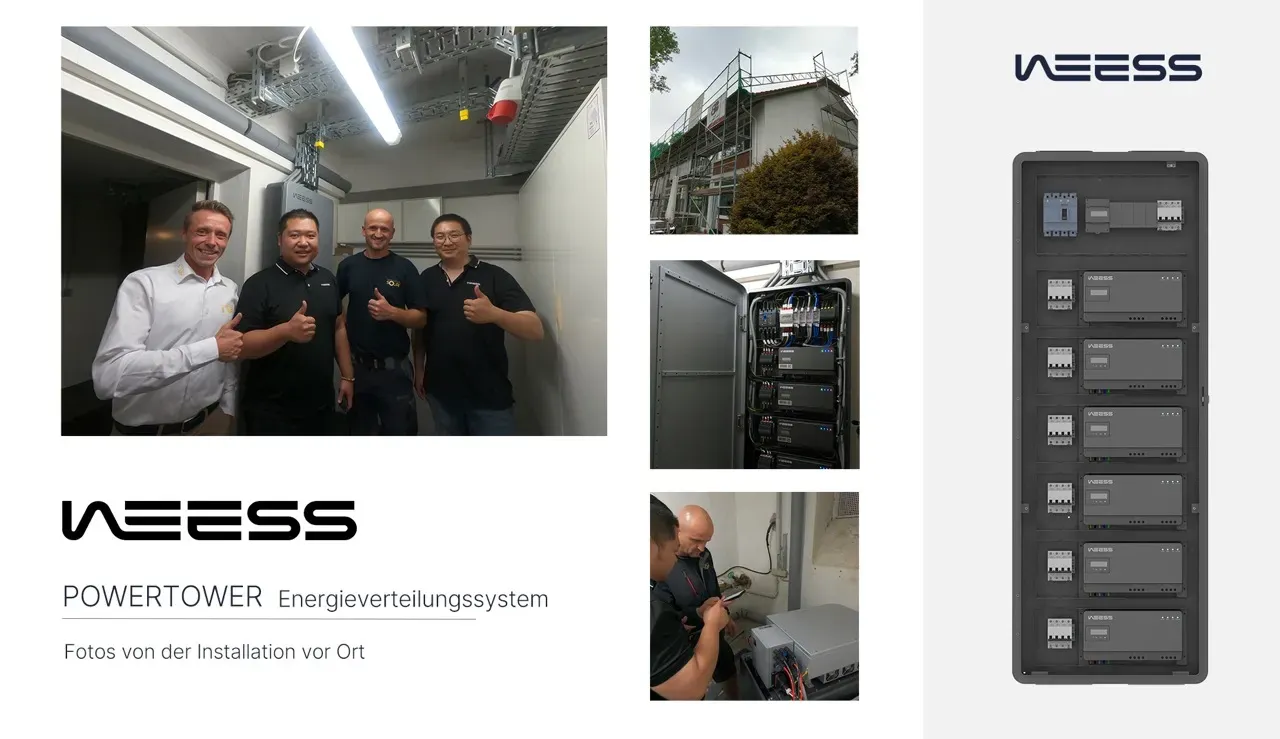
WEESS Nordsee is the main product of this solution. The system is designed for scenarios where storage is envisaged on a grid-scale, utility-oriented or energy-sector scale and is intended to function as an infrastructure component.

The role played by storage, control systems and energy management
To ensure that a project is technically robust and structured in a way that makes sense from an infrastructure perspective, the individual roles within the system must be clearly defined.
Storage
The storage facility provides physical flexibility. It shifts energy, buffers volatile generation and lays the foundation for structured load and feed-in profiles.
Control and operational strategy
It is the control system that transforms available capacity into a usable system. It determines how technical priorities, network logic and project objectives are integrated.
Energy sector applications
Trading, arbitrage or applications relating to balancing energy are not blanket storage functions. They become relevant where location, capacity, operating strategy and project objectives align perfectly.
Storage
The storage facility provides physical flexibility. It shifts energy, buffers volatile generation and lays the foundation for structured load and feed-in profiles.
Control and operational strategy
It is the control system that transforms available capacity into a usable system. It determines how technical priorities, network logic and project objectives are integrated.
Energy sector applications
Trading, arbitrage or applications relating to balancing energy are not blanket storage functions. They become relevant where location, capacity, operating strategy and project objectives align perfectly.
Ideal for network operators, local authorities and grid-related infrastructure projects
The solution is designed for projects in which storage is not viewed in isolation, but rather as part of a grid-connected, flexible and strategically conceived energy infrastructure.
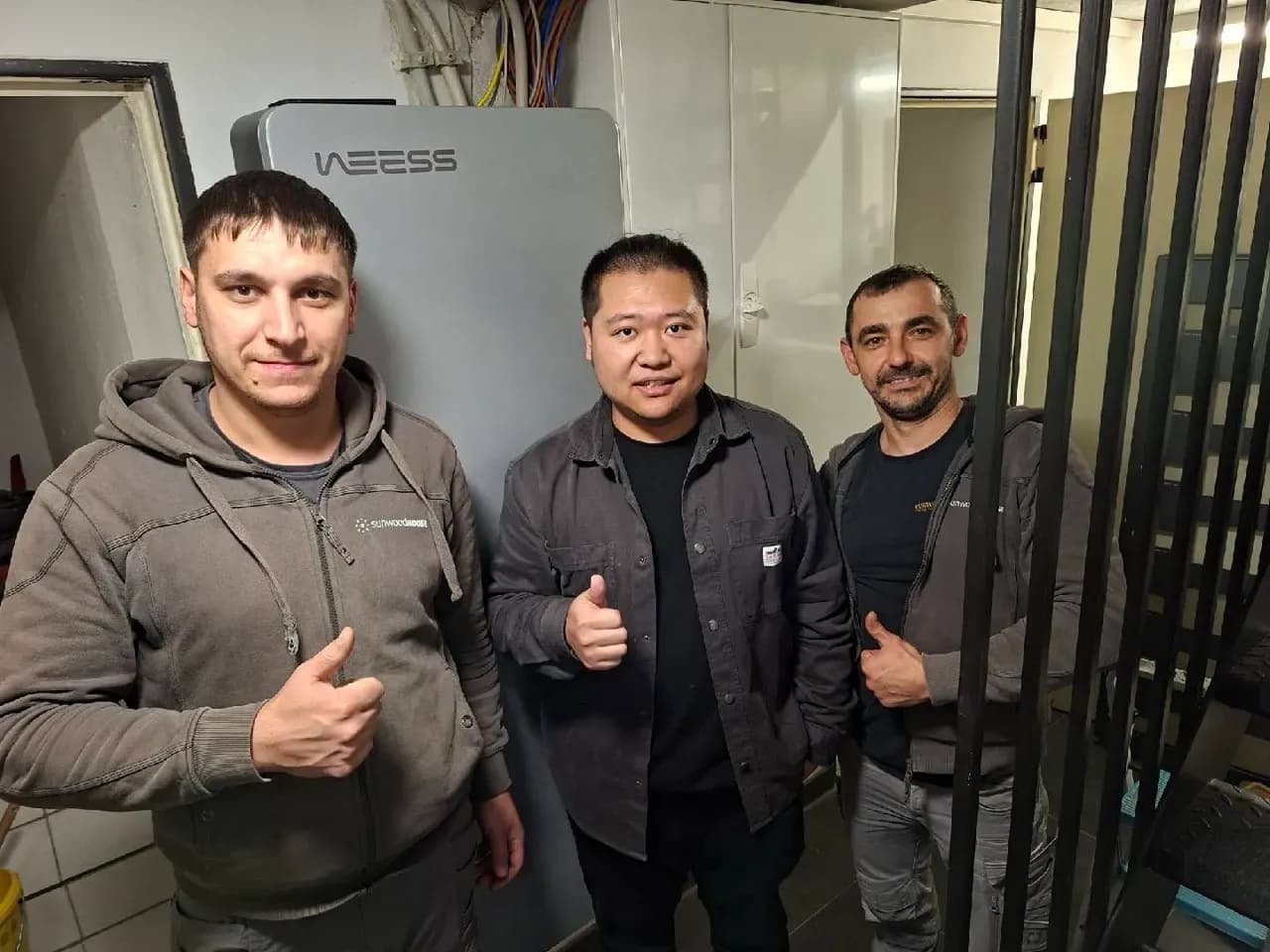
Grid operators and grid-related project developers
When existing connection points need to be relieved, flexibility needs to be systematically established, and storage needs to be integrated as an infrastructure component.
Cities, towns and local authorities
When energy projects are not merely conceived in technical terms, but are planned within the broader context of infrastructure, and storage is intended to contribute to stabilisation, integration or flexibility.
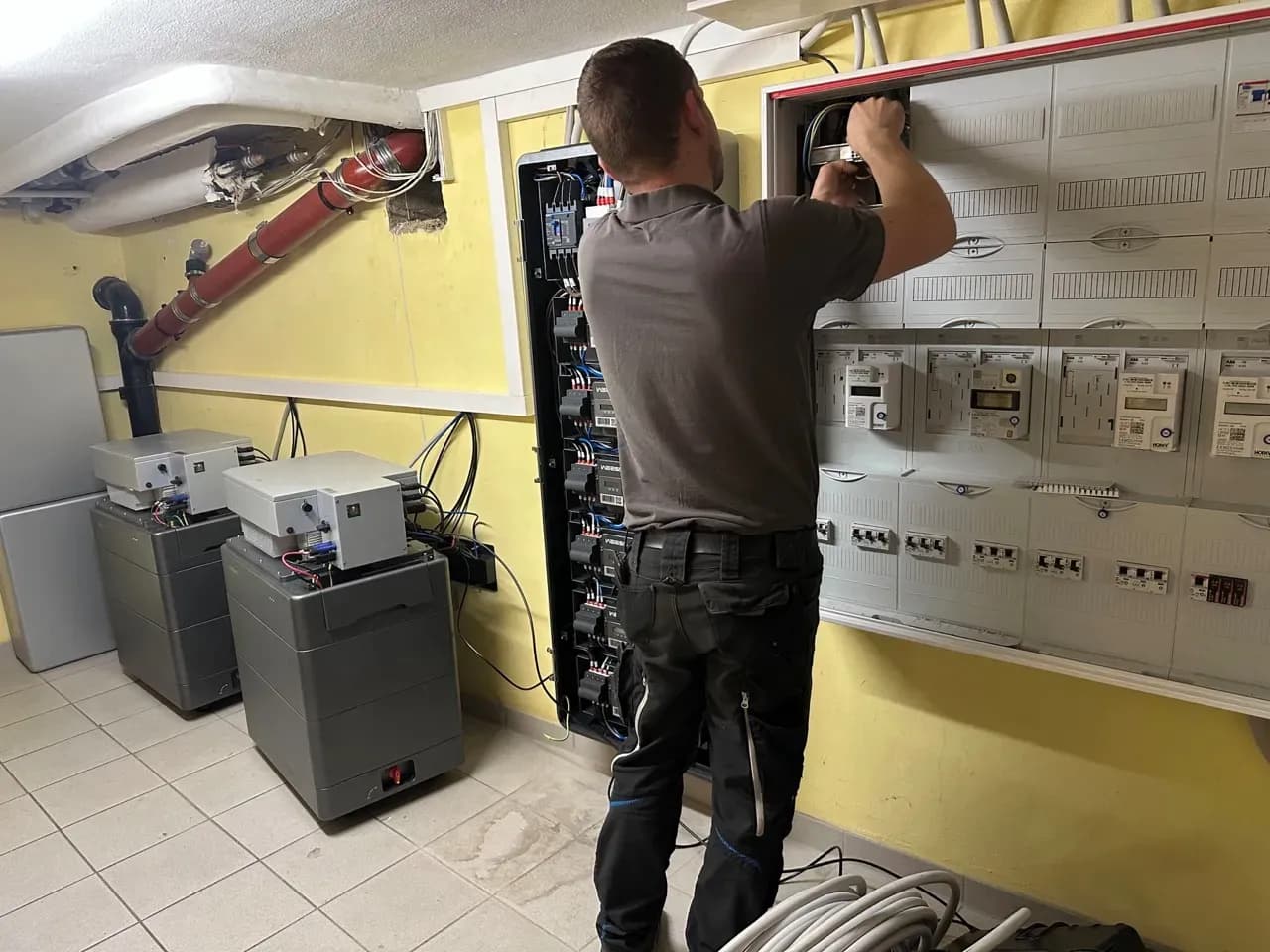
Project developer and operator of large-scale storage projects
When storage systems are not merely installed, but are to be established as a robust project component with a technical and strategic role.
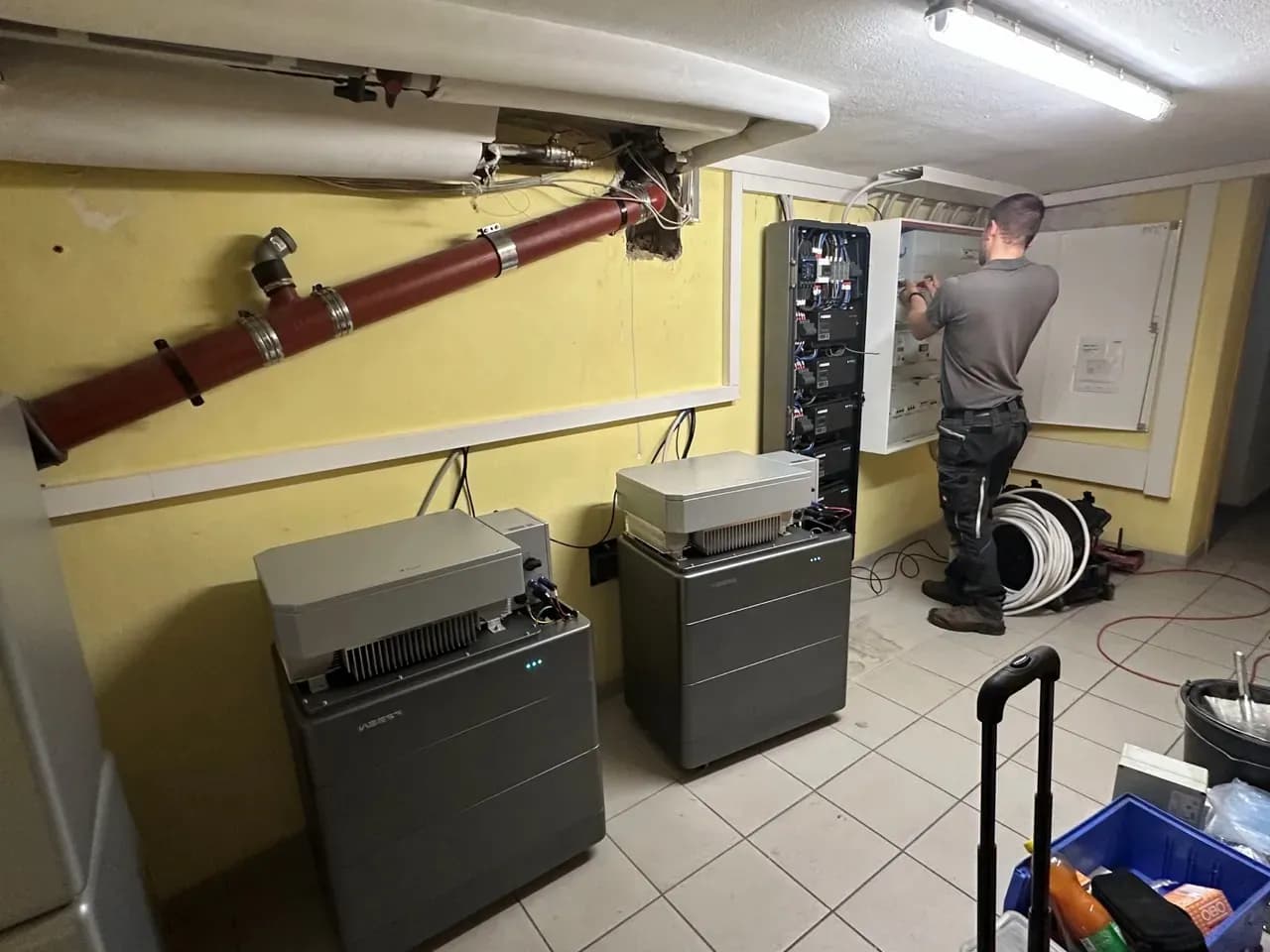
Projects with an energy sector perspective
When storage facilities are not only effective locally, but can also become relevant for trading, flexibility mechanisms or other energy-related applications, depending on the project.
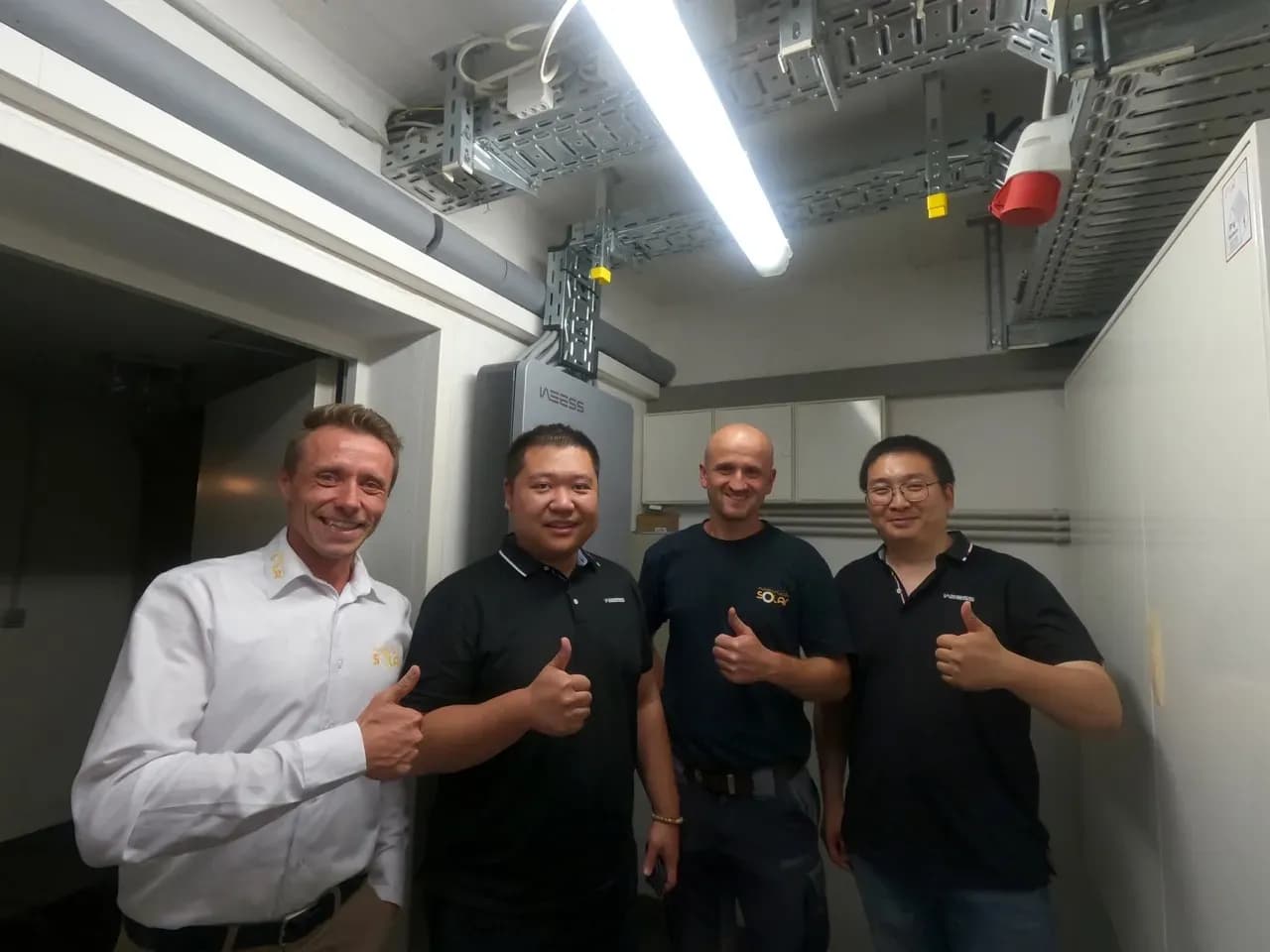
Where grid-friendly storage solutions are particularly relevant
At the heart of this solution are projects in which storage is not only used locally, but is conceived as part of a broader grid and infrastructure strategy.
Grid-connected storage projects
For applications where grid support, flexible power and structured operational logic are key.
Integration of renewable energy
When feed-in is not merely absorbed, but is specifically smoothed out through storage operations and better integrated into existing structures.
Projects with greater flexibility and load logic
When load profiles need to be actively structured, feed-in and procurement logic needs to be coordinated, and storage needs to be deployed within a broader infrastructure context.
Projects with additional energy-related applications
When technical system performance and economic flexibility are planned in tandem.
Why WEESS takes a different approach to grid-friendly storage projects
WEESS does not view storage as an isolated product, but as part of a resilient infrastructure. It is precisely this perspective that is crucial if projects are to be designed in a technically sound, strategically sensible and, within the context of the grid, comprehensible manner.

Why WEESS
- WEESS does not view storage as a standalone unit, but as part of a resilient infrastructure.
- The North Sea and Lake Constance are classified according to their actual role in the project – not as interchangeable storage solutions.
- Storage, operational logic and strategic project perspectives are brought together at an early stage.
- The aim is not a one-off setup, but a solution that remains transparent and robust even in larger projects.
Work with WEESS to see how your infrastructure project can be structured effectively
Talk to us about a solution that seamlessly combines grid support, flexibility and storage operations. We will assess how your project can be technically optimised and strategically structured.
Frequently asked questions
Enquiries regarding grid connectivity, grid infrastructure and large-scale storage projects.
Grid-friendliness means that a storage facility does not merely shift energy locally, but is integrated and operated in such a way that its impact can be utilised effectively within the grid context. It is therefore not only capacity and output that are crucial, but above all location, operating mode and system logic.
The solution is aimed at network operators, local authorities, project developers involved in grid-related projects and large-scale infrastructure projects.
No. Grid suitability describes the system impact of a project within the grid context. Balancing energy is a separate area of application defined in technical and market terms. Whether and in what form a project is suitable for this purpose must be assessed separately.
No. Without clear management, a suitable operating strategy and a well-defined project architecture, much of the potential remains untapped. Grid efficiency arises from the interaction of the system components.
Because the added value of a storage facility lies not only in the technology installed, but also in its operation. The question of when power is reserved, energy is shifted or capacity is utilised determines how effectively storage can be integrated into a project.
The North Sea is the main focus of this solution. It is designed for grid-proximate, utility-oriented and energy-sector projects in which storage is planned as infrastructure rather than merely as an individual component.
This solution is particularly relevant for grid operators, local authorities, project developers and other stakeholders who are planning storage facilities within a broader infrastructure and grid context.