

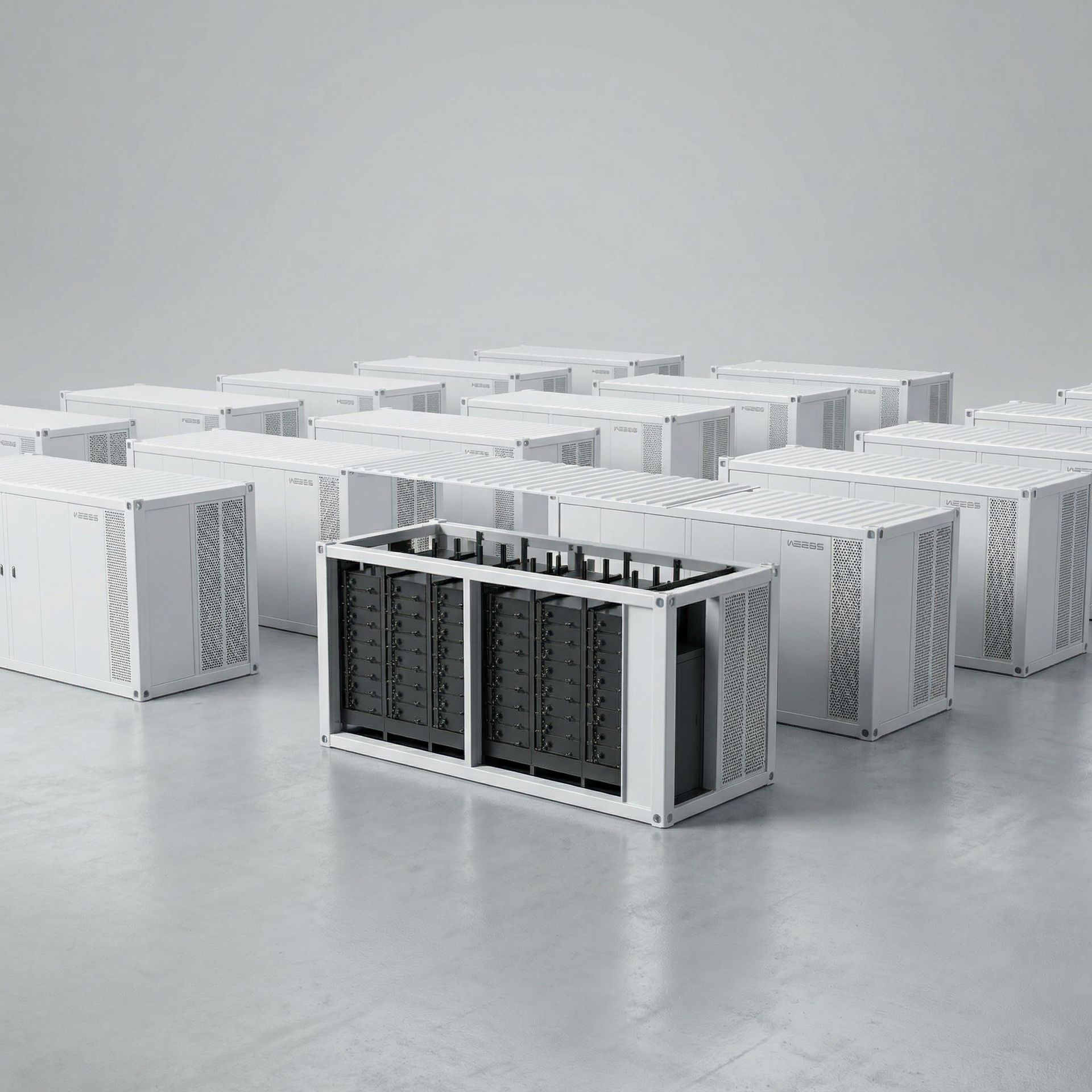
Revenue Share withBattery storage instead of fixed lease
WEESS develops participation models for suitable locations with land, infrastructure, and storage potential. The focus is not on a fixed remuneration, but on participation in the economic returns of a cleanly structured storage project.
Suitable for locations with infrastructure and marketing potential•Revenue sharing instead of fixed lease•Storage as economically viable infrastructure
Trading & Revenue Share is not a classical land or lease model. What is decisive is participation in the economic returns of a storage project that is built cleanly from a technical, energy-economic, and marketing perspective.
How a location becomes a revenue share model
Market analysis
At the beginning is not the storage facility alone, but the question of which asset can be meaningfully built and marketed at which location from an economic perspective. Decisive factors are land area, grid connection, capacity, power output, and marketing perspective.
Suitable for sites with space, infrastructure, and revenue potential
Sites with available space
- Suitable for owners, companies, and project partners who want to convert available space into an economically viable storage project.
Sites with infrastructure
- Relevant for stakeholders who want to use existing energy infrastructure as the basis for a professionally structured storage project.
Sites with commercialization potential
- Appropriate for projects where storage should be set up not only technically but also marketed from an energy economics perspective.
The model makes sense where land, infrastructure, grid perspective, and economic project objective align.
How location potential becomes a viable model
Land and infrastructure only become a reliable project when technical foundation and economic logic are brought together.
Examine location and potential
Land, infrastructure, load profile, and project objective are assessed from both technical and economic perspectives.
Structure storage intelligently
Storage infrastructure forms the foundation for flexibility, utilization, and additional revenue potential.
Build marketing and control
Energy flows and operational logic are structured so that the storage becomes a professionally usable Energy Asset.
Set up Revenue Share economically
Depending on the project, this creates a model where participation in economic results takes center stage rather than traditional lease payments.
Examine location and potential
Land, infrastructure, load profile, and project objective are assessed from both technical and economic perspectives.
Structure storage intelligently
Storage infrastructure forms the foundation for flexibility, utilization, and additional revenue potential.
Build marketing and control
Energy flows and operational logic are structured so that the storage becomes a professionally usable Energy Asset.
Set up Revenue Share economically
Depending on the project, this creates a model where participation in economic results takes center stage rather than traditional lease payments.
Result
This creates a storage project that fits technically and is structured economically soundly.
Classical lease vs. Revenue Share
The difference lies not only in compensation but in the economic role of the storage facility. Either it remains a static location factor – or it is developed as an actively managed Energy Asset.
Remuneration Framework
The focus is on fixed remuneration. The economic structure remains largely static, additional revenue logics are only limited in scope, and the storage system is treated more as an object than as an active value driver.
Which WEESS Products Support the Model
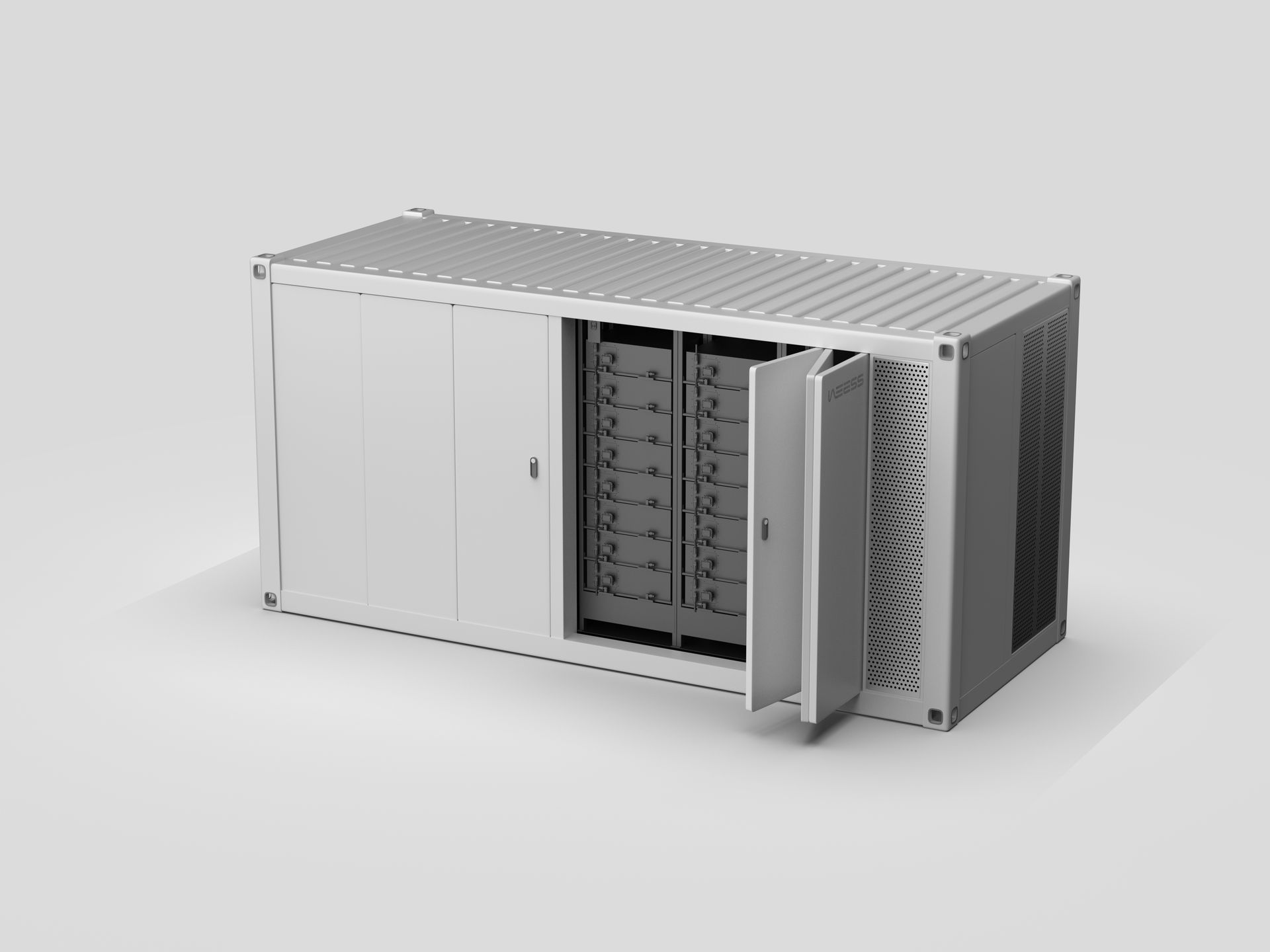
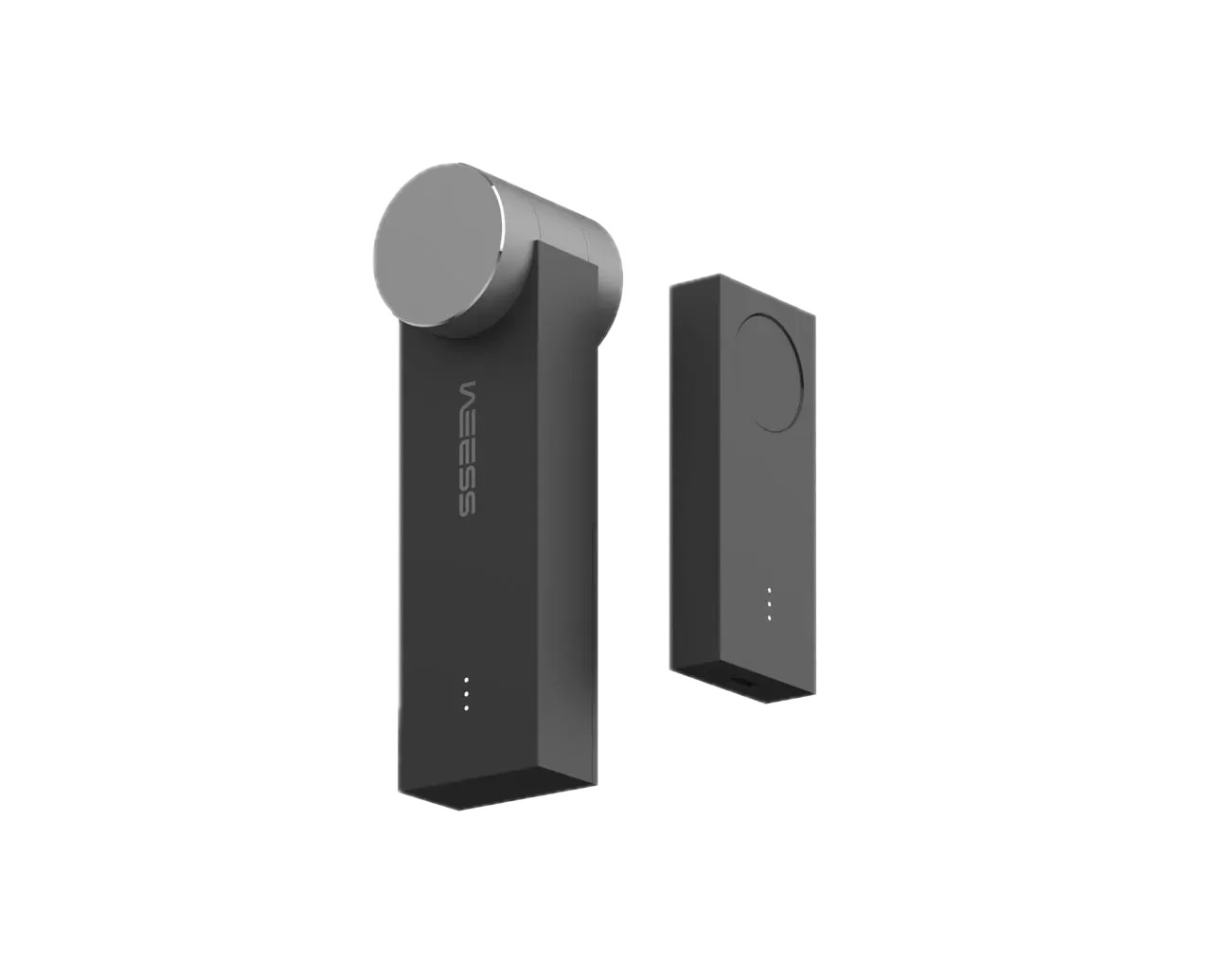
Trading & Revenue Share is not a single-product solution. Depending on the project, the model is composed of storage, control, and energy economic viability.
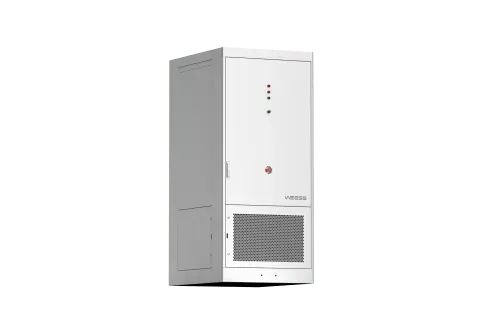
WEESS Bodensee
Bodensee is the appropriate storage component when a location in the C&I environment is to be developed economically via load management, self-consumption, grid services, and additional revenue potential.
What WEESS Does Differently in Revenue Share


The Result
- WEESS does not view storage in isolation, but as part of a sustainable revenue model.
- Land, infrastructure, storage, and marketing are structured as an integrated project logic.
- The model does not end with a fixed lease, but aims at participation in economic returns.
- Storage capacity, control, and operational logic are carefully coordinated based on each project.
Verify whether Revenue Share is suitable for your site
Decisive factors are land, infrastructure, grid perspective, and the economic logic behind it. Therefore, a sustainable model does not begin with product selection, but with a thorough site and potential assessment.
Frequently Asked Questions
Frequently asked questions about Revenue Share, storage marketing, and suitable sites
Suitable land, proximity to an appropriate grid connection point, sensible technical setup, and professional market integration are particularly important. A project becomes economically sustainable only when site, product, and marketing align.
Depending on the project and marketing model, revenue can be generated through intraday trading, frequency and control energy services, as well as targeted use of flexibility. Which revenue channels make sense always depends on the asset, site, and market environment.
The model is realistic for sites with suitable land, technical infrastructure, sound grid perspective, and a project objective where storage can be utilized both economically and in terms of energy management.
Because economically strong storage projects require more than just hardware. WEESS integrates storage infrastructure, market logic, and Revenue Share together so that a battery storage system can become a scalable and professionally marketable energy asset.
In the Revenue Share model, revenues from battery storage marketing are distributed performance-based among stakeholders. This is based on transparent KPIs, defined marketing logic, and a clearly structured project setup.
With fixed lease, a fixed compensation is at the forefront. With revenue share, it is about participation in the economic return of a structured storage project.